
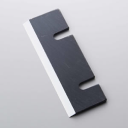







Replacement Blades & Shaving
For Light, Fluffy Japanese Kakigori,
Blade Condition Matters
To shave block ice into thin, fluffy layers, the ice condition is important—but so iskeeping the Kakigori machine blade in good condition.
A dull blade may make it difficult to shave the ice as thinly as intended. Review the replacement guidelines, everyday handling, and storage precautions to keep performance consistent.

Replacement timing varies depending on the blade type.
Avoiding ice that is too hard also helps reduce stress on the blade.
We recommend ordering a spare blade together with the machine.
1. Why Does Blade Condition Matter?
Japanese Kakigori is made by shaving thin layers from the surface of a block of ice.
Even if the ice is properly prepared,the final texture can become inconsistent if the blade is dull or in poor condition.
To Shave Thinly
To make fluffy Japanese Kakigori, the blade needs to remain capable of shaving thin layers from the ice surface.
To Keep Results Consistent
Checking the blade as well as the ice makes it easier to identify the cause of inconsistent shaving.
To Avoid Missing Replacement Timing
If the blade starts to feel dull, do not force continued use; consider replacing it.

The Goal: Thin, Fluffy Shavings
When the ice condition and blade sharpness are well matched, the blade can shave thin layers more easily. Check the blade regularly to maintain consistent results.
2. When Should I Replace the Blade?
TAKASO uses the following replacement guidelines when shavingblock ice approximately 13 × 13 × 13 cm (standard Japanese half-kan size).
Replacement Guideline
Based on block ice approximately 13 × 13 × 13 cm
(standard Japanese half-kan size)
Replacement Guideline
Based on block ice approximately 13 × 13 × 13 cm
(standard Japanese half-kan size)
When to Consider Replacement
- The blade feels less sharp than before
- It is difficult to shave thinly even after preparing the ice correctly
- You are approaching the recommended replacement quantity for the blade
3. How Can I Reduce Blade Wear?
In addition to replacement timing, reviewhow you handle the ice and operate the Kakigori machinein daily use.
Use the Machine in Ways That Reduce Stress on the Blade
Do not leave the blade protruding when installing or removing the ice.
After use, do not leave the ice in the machine; remove and handle it appropriately.
Avoid repeatedly shaving extremely hard block ice, such as ice immediately after removal from the freezer.
TAKASO uses -5°C to -2°C as a guideline for ice temperature before shaving.
Check the Ice Before Shaving, Not Just the Blade
See the Ice Preparation Guide for details on ice type, size, and temperature before shaving.
4. How Do I Replace the Blade?
Blade replacement must be performed using the correct method for your specific Kakigori machine.
The video below is anofficial blade replacement video from Ikenaga Iron Works. Please use it as a reference when checking the replacement procedure for the applicable model.
Official Video by Ikenaga Iron Works
Before Replacing the Blade
- Confirm the model of your Kakigori machine
- Confirm that the replacement blade is compatible with that model
- Follow the instructions provided for your specific machine when replacing the blade
5. Blade Storage Precautions
If the Kakigori machine will not be used for an extended period, pay attention to how the blade is stored.
Below are the basic storage precautions currently recommended by TAKASO.
Protect Steel Blades from Rust
If you use a steel blade, take particular care to prevent rust during storage.
For Long-Term Storage
If the machine will not be used for a long period, remove the blade and store it in a dry condition.
Remove the Blade for Long-Term Storage
At the end of the season or whenever the machine will not be used for an extended period, remove the blade and store it dry.
6. Can the Blade Be Resharpened?
Q. Should I resharpen a blade after it becomes dull?
A. TAKASO generally recommends replacing the blade.
When sharpness declines, we recommend replacing the blade with the correct replacement blade rather than continuing to use it after resharpening.
7. Using the Machine Overseas? Keep a Spare Blade
When operating a Kakigori machine overseas, ordering a replacement blade from Japan only after one is needed may lead to downtime while you wait for delivery.
For restaurants and food-service businesses serving Japanese Kakigori, we recommendkeeping a spare blade on hand so blade replacement does not interrupt service.
We Recommend Ordering a Spare Blade with the Machine
If you are unsure which blade fits the machine you plan to use, ask us when requesting a quotation or purchase consultation.
Not Sure Which Replacement Blade You Need?
We can help identify the correct replacement blade for your current machine or the model you plan to purchase.
For overseas use, you can ask us about the machine, spare blades, and international shipping together.


