







Ice Preparation Guide
If You Want to Serve Japanese Kakigori Overseas,
Ice Preparation Matters Too
To make light, fluffy Japanese Kakigori with a delicate melt-in-the-mouth texture, the machine is only part of the equation. The type of ice and its condition before shavingare extremely important.
If you plan to install a block-ice Kakigori machine overseas, we especially recommend checking before purchase whether you can continuously source suitable block ice locally for ongoing operation.
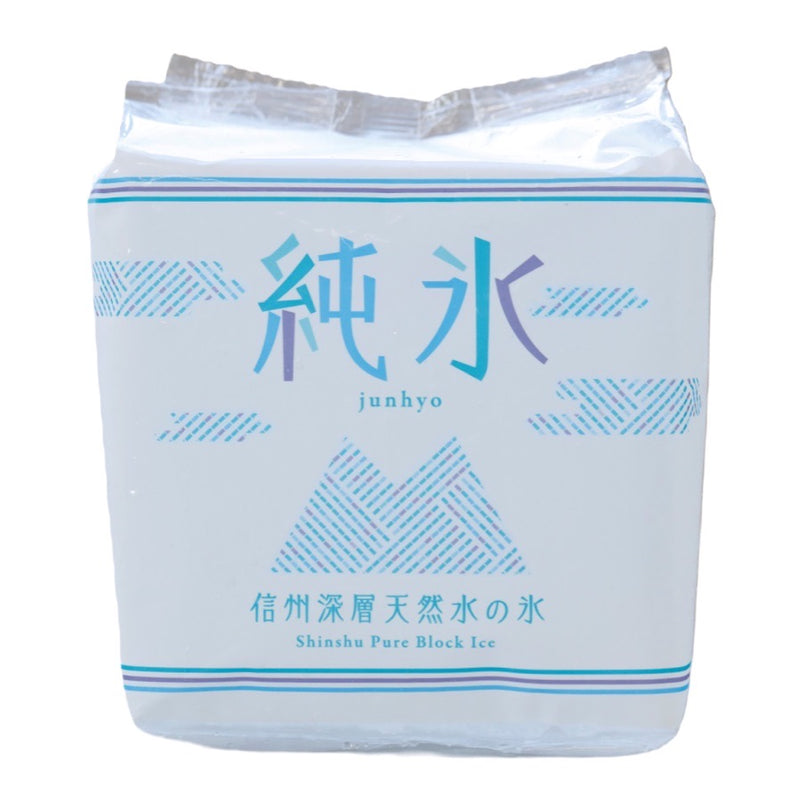
Block ice is recommended for Japanese Kakigori.
A block around 13 × 13 × 13 cm (standard Japanese half-kan size) is one useful reference.
TAKASO uses -5°C to -2°C as a guideline.
1. What Kind of Ice Should I Prepare?
Ice used in Kakigori machines can broadly be divided into Block Iceand Loose Ice / Ice Cubes two types.
If you want thin, fluffy Japanese Kakigori, we recommend choosing a machine designed for block ice.

Block Ice
This type shaves thin layers from the surface of a large block of ice. With the right ice temperature and blade condition, it can produce delicate, fluffy shavings.

Loose Ice / Ice Cubes
This type uses smaller pieces of ice. The machine and shaving method differ from block-ice systems, and the final texture is also different.
2. How Can I Source Block Ice Overseas?
If you plan to use a block-ice Kakigori machine overseas, check with local ice manufacturers, ice retailers, or food-service ice suppliersto confirm whether they can provide the size of block ice you need.
A commonly used reference size in Japan is a block of approximately 13 × 13 × 13 cm (standard Japanese half-kan size).
Actual block dimensions vary by region and supplier, so make sure the ice will fit the Kakigori machine you plan to use.
Before Buying a Machine, Confirm That You Can Source Suitable Ice Consistently
To avoid buying a machine and later discovering that suitable block ice is unavailable, confirm your local ice supply in advance.
What to Check When Sourcing Ice
- The ice is suitable for food and beverage use
- The block fits the Kakigori machine
- The supplier can provide the required quantity consistently
- The size and shape remain reasonably consistent from order to order
3. Can I Shave Ice Straight from the Freezer?
Block ice straight from the freezer is extremely hard and may break into fine, coarse pieces if shaved immediately.
This can result in a coarser, crunchier texture, and repeatedly shaving ice that is too hard can also place greater stress on the blade.
Before shaving, temper the ice slightly so that the blade can shave thin layers from the surfacemore easily.
TAKASO’s Recommended Ice Temperature Before Shaving
Remove from the Freezer
Take out the block ice you plan to use from the freezer or cold storage.
Place It on a Clean Surface
Place the ice on a clean tray or container and allow its temperature to rise gradually.
Check the Temperature
Check the ice condition, using -5°C to -2°C as a guideline.
Set It in the Machine
Once the ice is ready, install it according to the instructions for your machine.
4. How Long Should I Wait After Taking Ice Out of the Freezer?
Q. Can I simply wait a fixed time, such as 10 minutes?
A. Check the ice temperature and condition rather than relying on time alone.
Tempering time varies with block size, freezer temperature, room temperature, and season. The same waiting time will not always produce the same ice condition.
Whenever possible, use a non-contact thermometer or similar tool to check the temperature of the ice itself.
If you do not have a thermometer, make small adjustments while observing how the ice shaves. Ice that is too hard tends to break into fine pieces; properly tempered ice allows the blade to shave thin layers more easily.

Immediately after removal from the freezer, frost may remain on the surface and the ice is extremely hard. It may be difficult to shave thinly in this condition.
Use -5°C to -2°C as a guideline and temper the ice until the blade can shave thin layers from the surface.
5. How Can I Keep Ice Consistent During Service?
If you take all of your service ice out of the freezer at once, blocks used later may become too warm.
Match your preparation to your service pace and prepare “the ice you are using now” and “the next block” in sequence rather than tempering everything at once.
Set an Ice Preparation Routine Before Service
Avoid taking out too many at once; prepare according to expected service volume.
Check each block immediately before shaving.
As you use the current block, begin preparing the next one in sequence.
Create a method that fits your shop’s service pace and share it with your staff to help maintain consistent quality.
6. What If the Kakigori Still Isn’t Fluffy?
If the result is still inconsistent after preparing the ice correctly, check the machine and blade as well as the ice.
The finished texture of Japanese Kakigori depends on the balance of the machine, the ice, and the blade.
Kakigori Machine
Check whether the machine matches the style of Kakigori you want to make and the type of ice you use.
Ice
Check the ice type, size, and temperature.
Blade
Check blade sharpness, blade setting, and replacement timing.

The Goal: Thin, Fluffy Shavings
If adjusting the ice alone does not solve the problem, also check blade condition and whether the machine is suitable for your setup.
See our separate guide for blade replacement timing, blade condition, and shaving.
For Businesses Planning to Serve Japanese Kakigori Overseas
We can recommend Kakigori machines suitable for your country or region and the style of Kakigori you want to make.
Feel free to ask questions such as, “Which machine can I use with the ice available locally?”


